Some people call it Attention Deficit Disorder or ADD. I call it the “Jimmy Legs” which seems to take the psychiatric bite out of my condition. For me, sitting is nearly impossible for any length of time and wandering, exploring or just doing something is a great organic treatment. The only drug that seems to help me is called “a camera” (which, by the way I’m sure the pharmaceutical companies would disapprove of). Along with the Jimmy Legs, Road Fever pops up and off I go, wandering the streets, seeking the perfect shot and engaging people for their backstory.
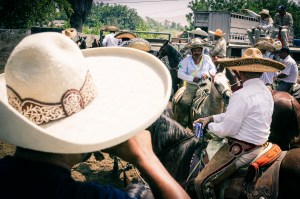 My Jimmy Legs and Road Fever have served me well shooting documentaries around the world. At home in southern California, I fancy myself an amateur anthropologist or a social detective discovering subcultures, from gutter punks to surf Nazis, faux celebrities, old adventurers and even Charreadas. If you don’t know, a Charreada is part rodeo, part fiesta, and one of Mexico’s most revered sporting events on both sides of the border, dating back to the 17th century. With nearly 40% of the population in southern California, the Mexican sport of Charreada is thriving though it is hidden from disapproving eyes. For instance, the competitors are strictly amateurs with occasional members of the cartel competing in the events – they’re the ones in Armani silk shirts.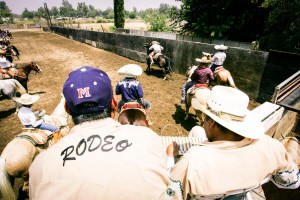
To help understand the Mexican culture of Charreada I was able to make contact with a gentleman who provides livestock for the Charreadas. He gave me sketchy directions to his next Charreadas event, which was in the town of Mira Loma (English translation; Look at the Hills). Surrounded by three freeways and north of Norco Hill and south of Fontana (aka, Fontalajara), Mira Loma has a dark history. In 1931, the town voluntarily changed its name from Wineville to Mira Loma. The name change came about as a result of the “Wineville Chicken Coop Murders”. One leading citizen of Wineville was quoted as saying in a local paper: “Wineville was such a nice town until them boys got killed… Let’s rename the town Mira Loma so we can all forget about It”.
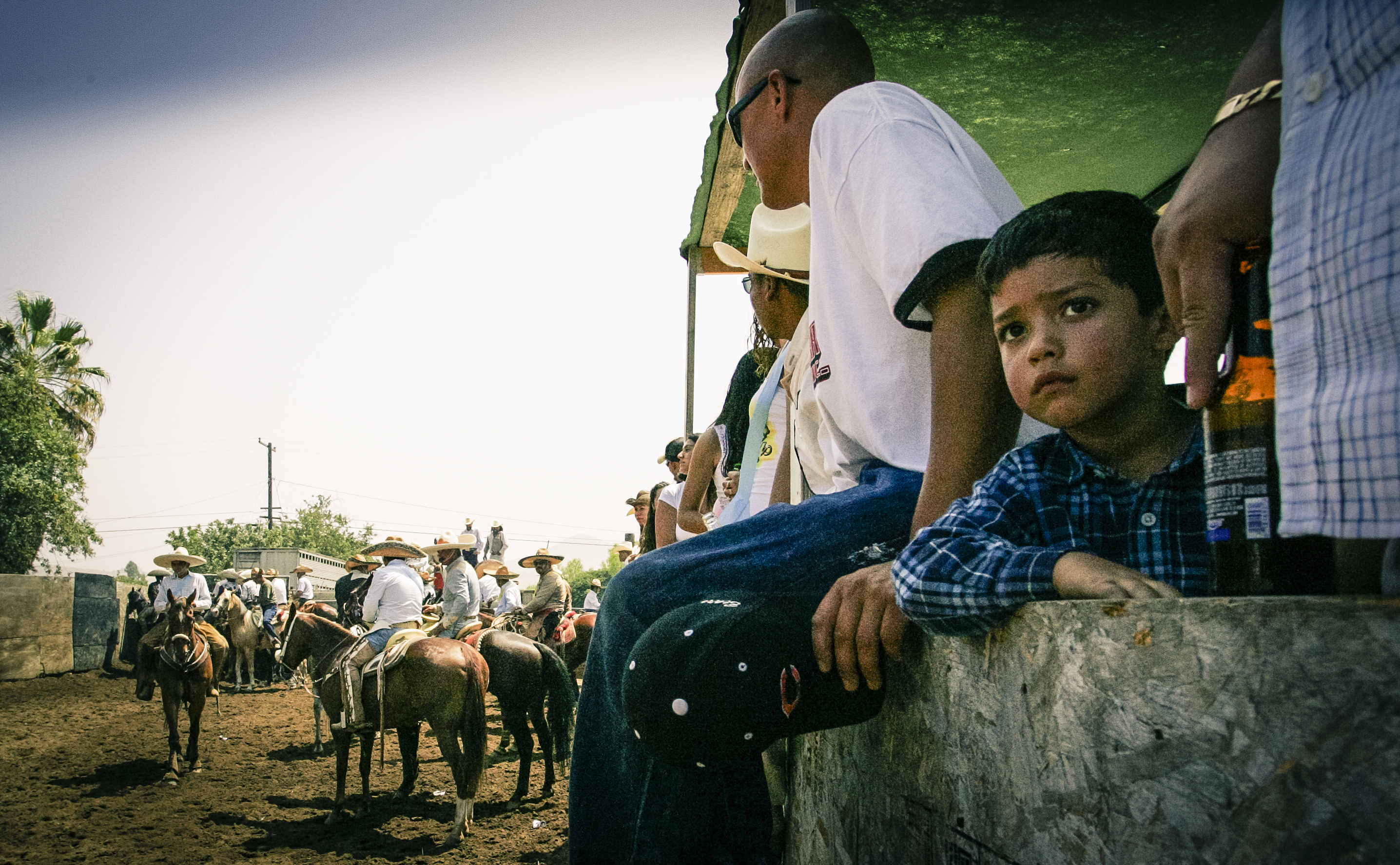
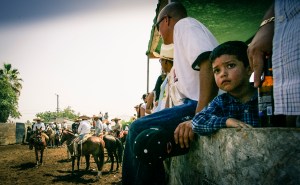 With a faint smell of jet fuel and tucked away in a remote labyrinth of industrial parks, warehouses full of used furniture, and on a dirt road, I find the small arena. Charreadas always begins at noon, are entirely in Spanish and unadvertised to the general public for obvious reasons – criticism from animal rights and anti-rodeo activists keeps the events off the public radar.
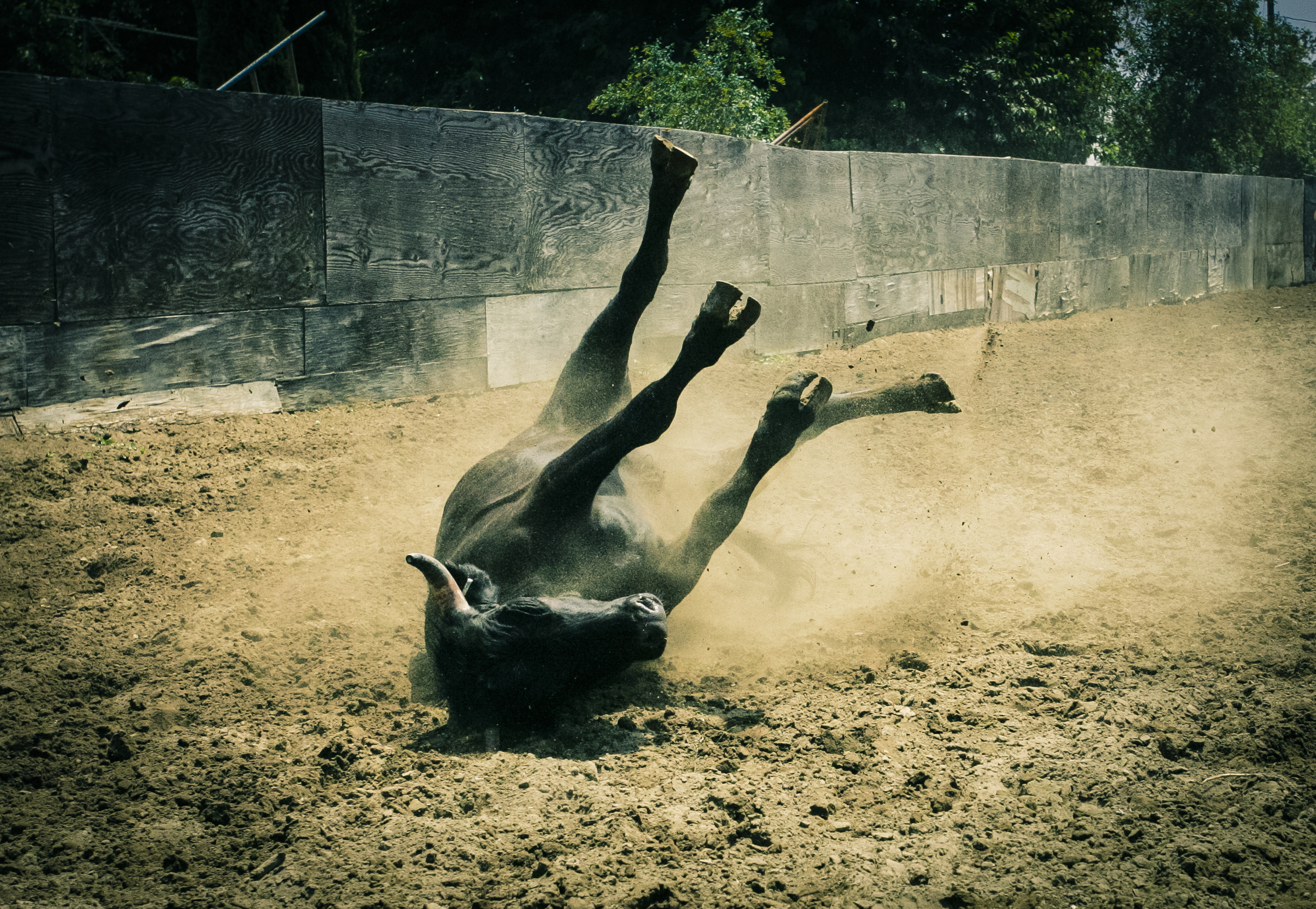
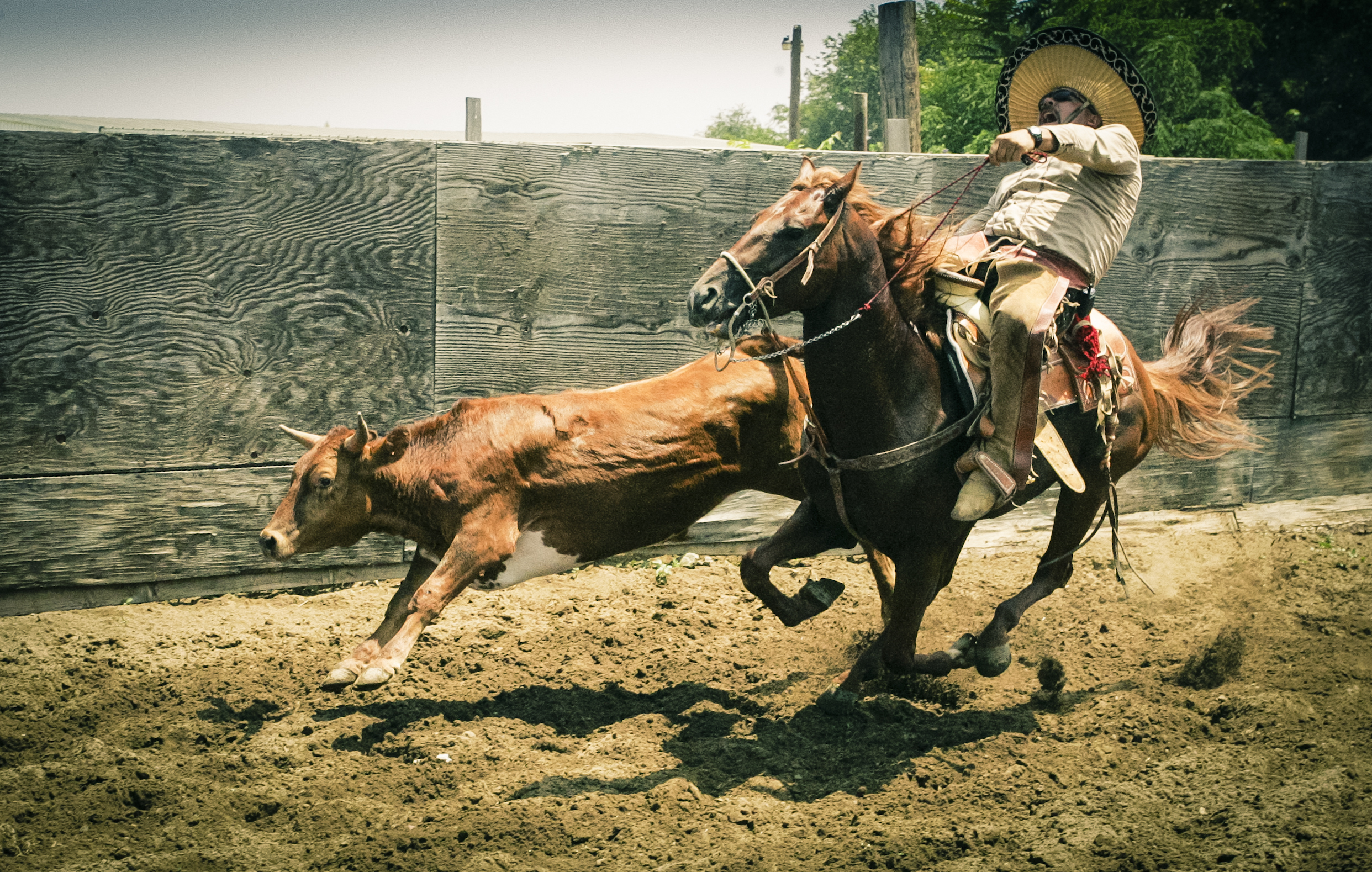
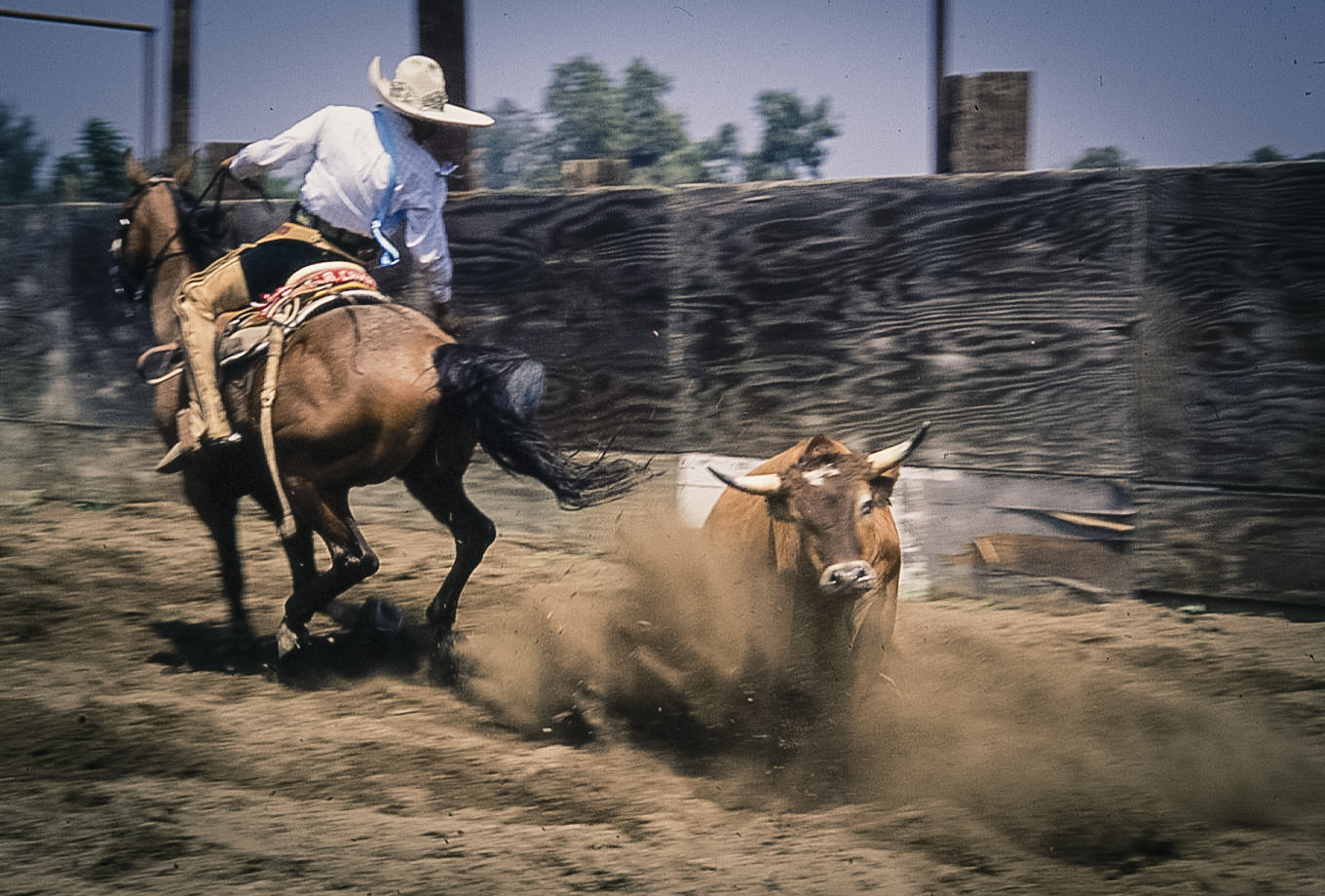
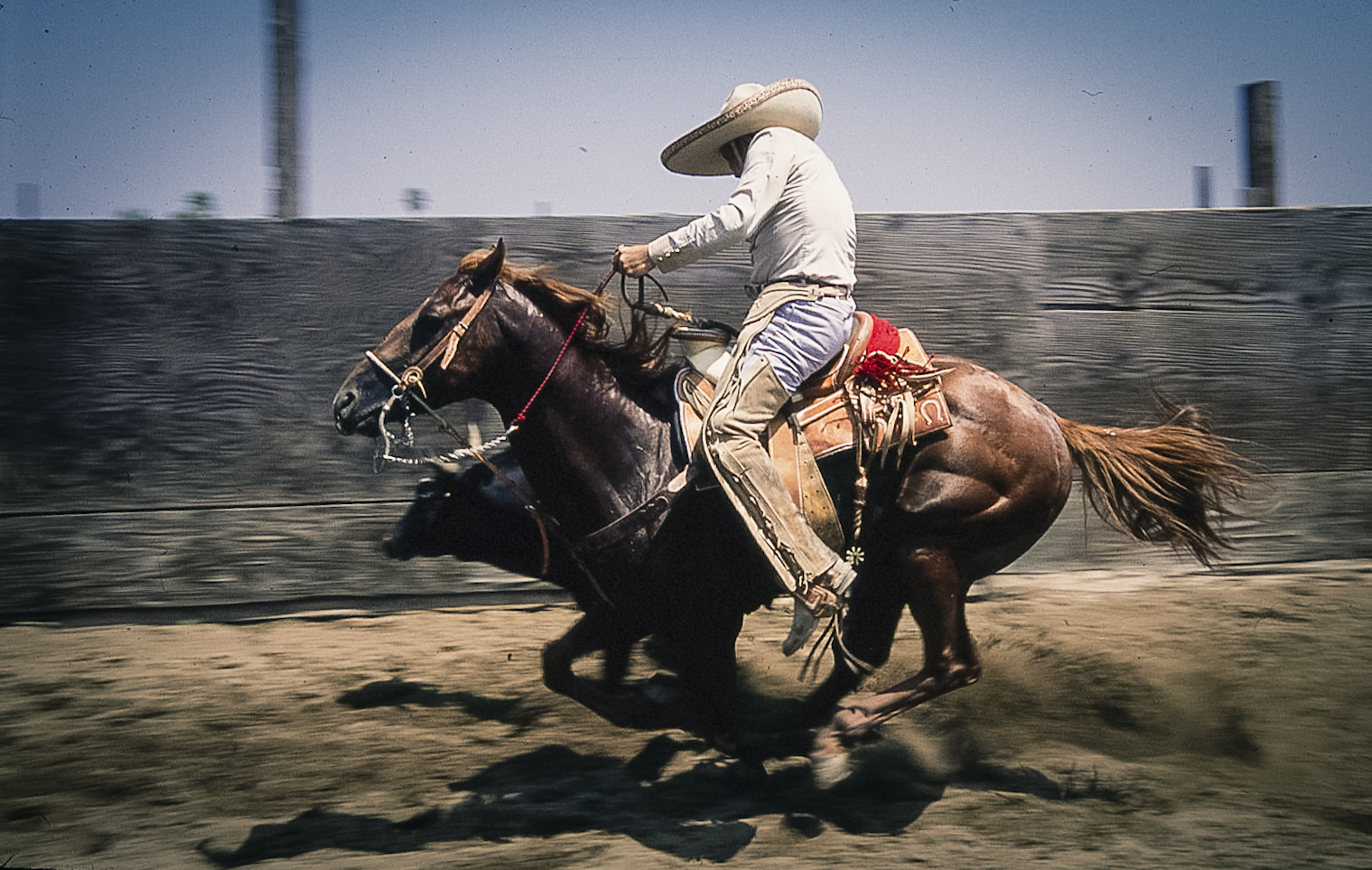
By the time I arrive, the Coleadero or steer tailing is about to begin. A mounted charro (cowboy) grasps the tail of a steer and brings the animal to the ground. A properly tailed steer should end up like this, with all four hooves in the air.  Winning charros aren’t awarded any money but ribbons and bows are pinned to their sleeves as trophies to their skill and horsemanship. Many of the charros are middle-aged men who struggle to hitch a lavishly embroidered leather belt around their paunches, but this does not hinder or impede their skillful horsemanship or tailing the steer.
Most Californians don’t know that California is the number two rodeo state in the nation, second only to Texas. California hosts about 60 professional rodeos annually. Of these, most are sanctioned by the Professional Rodeo Cowboys Association (PRCA), the largest such organization in the US. There are likely double that number of small rodeo events, plus scores of Charreadas.
Despite being dirty, sweaty and dehydrated the experience of being in the arena with the charro’s was more than I expected. It was a good day for the Jimmy Legs.
For more information regarding the traditions and sport of Charreada follow this link: http://charrosfederationusa.com/


34.052234
-118.243685





 Exposure and Other Worldly Morsels